
Retaining Wall Construction & Repairs
Offering exceptional Retaining Walls solutions, our team is committed to providing top-quality service.
Replace Your Failing Retaining Wall with a Solution Built to Last
A leaning, cracked or collapsing retaining wall isn’t just unattractive—it can affect drainage, usable yard space and the areas surrounding your driveway, patio or home. Elite Landscapes removes and replaces failing retaining walls throughout Greater Lansing, creating attractive solutions that restore both the appearance and function of your property.
Common signs of wall failure include:
* Leaning or bowing sections
* Cracked, separated or shifting blocks
* Rotting landscape timbers
* Soil washing through the wall
* Standing water or poor drainage
* Sunken areas above or below the wall
* Sections beginning to collapse
Most retaining walls fail because of what was—or wasn’t—installed behind them. Simply resetting the visible blocks may temporarily improve the appearance, but it usually doesn’t correct the drainage, foundation or soil-pressure issues that caused the movement.
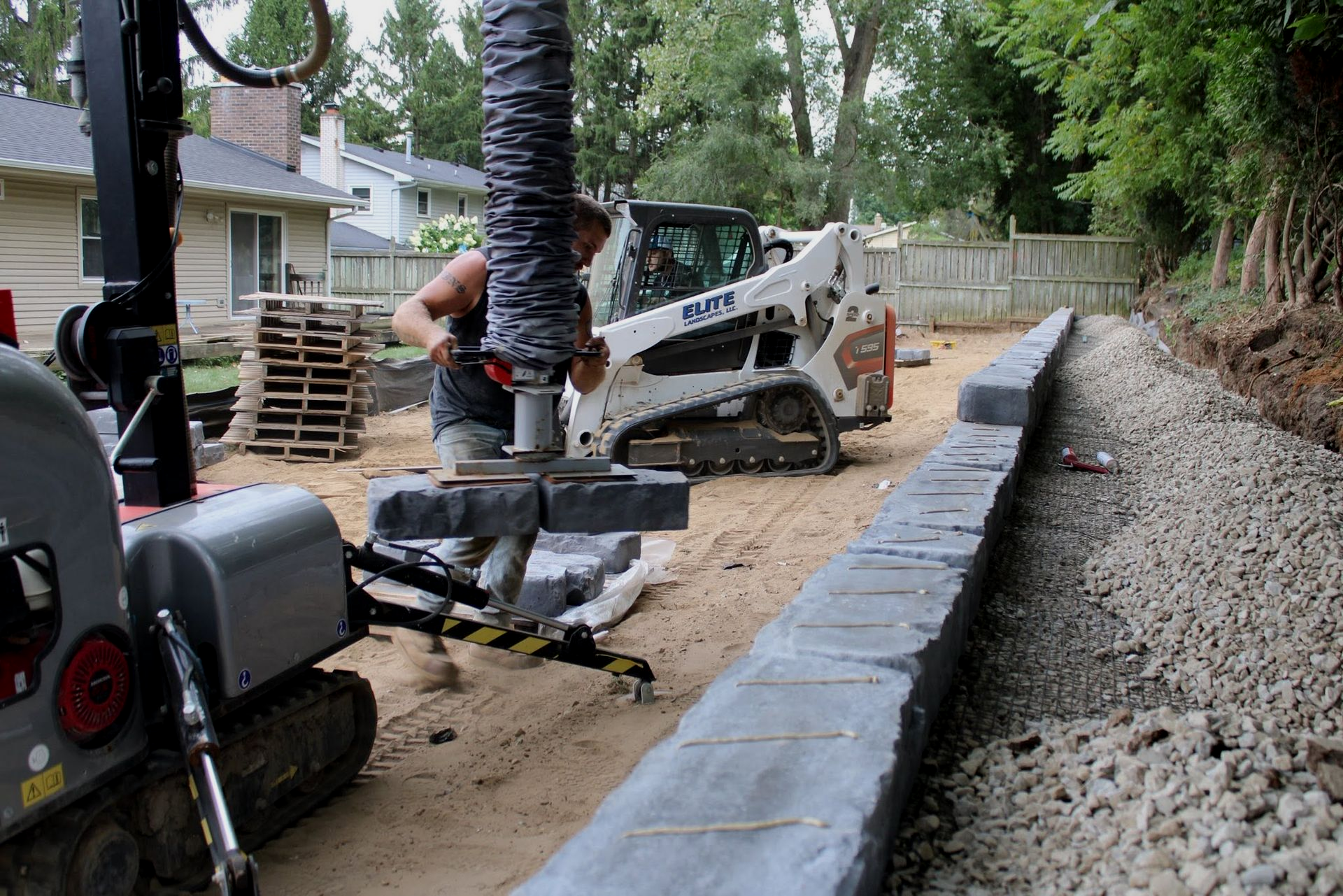
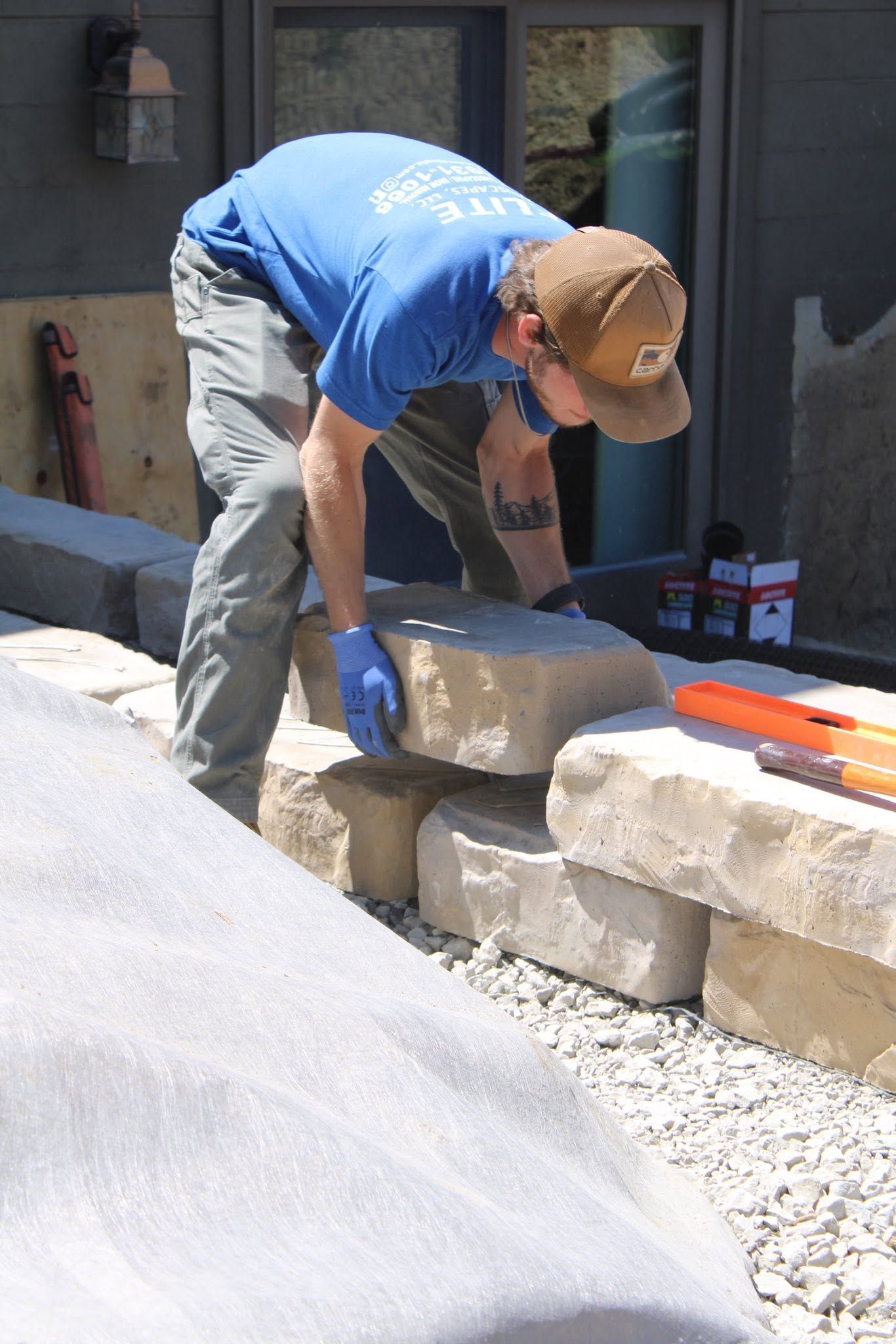
Our team evaluates the existing wall, surrounding grade, drainage and available space before recommending a solution. We can remove and dispose of the failed wall, properly excavate the area, build a compacted foundation, install drainage stone and pipe, add reinforcement where required and construct the new wall using materials selected to complement your property.
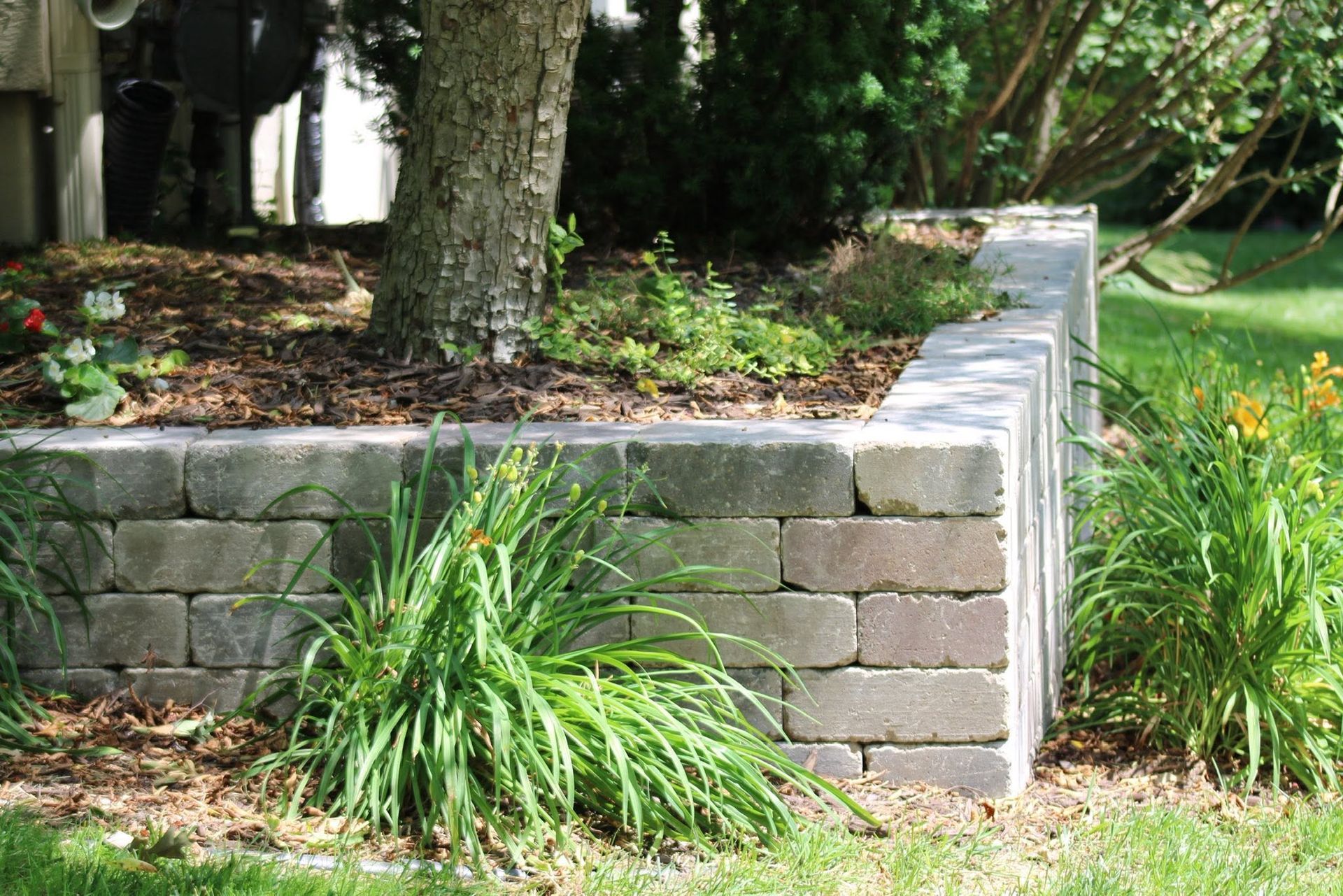
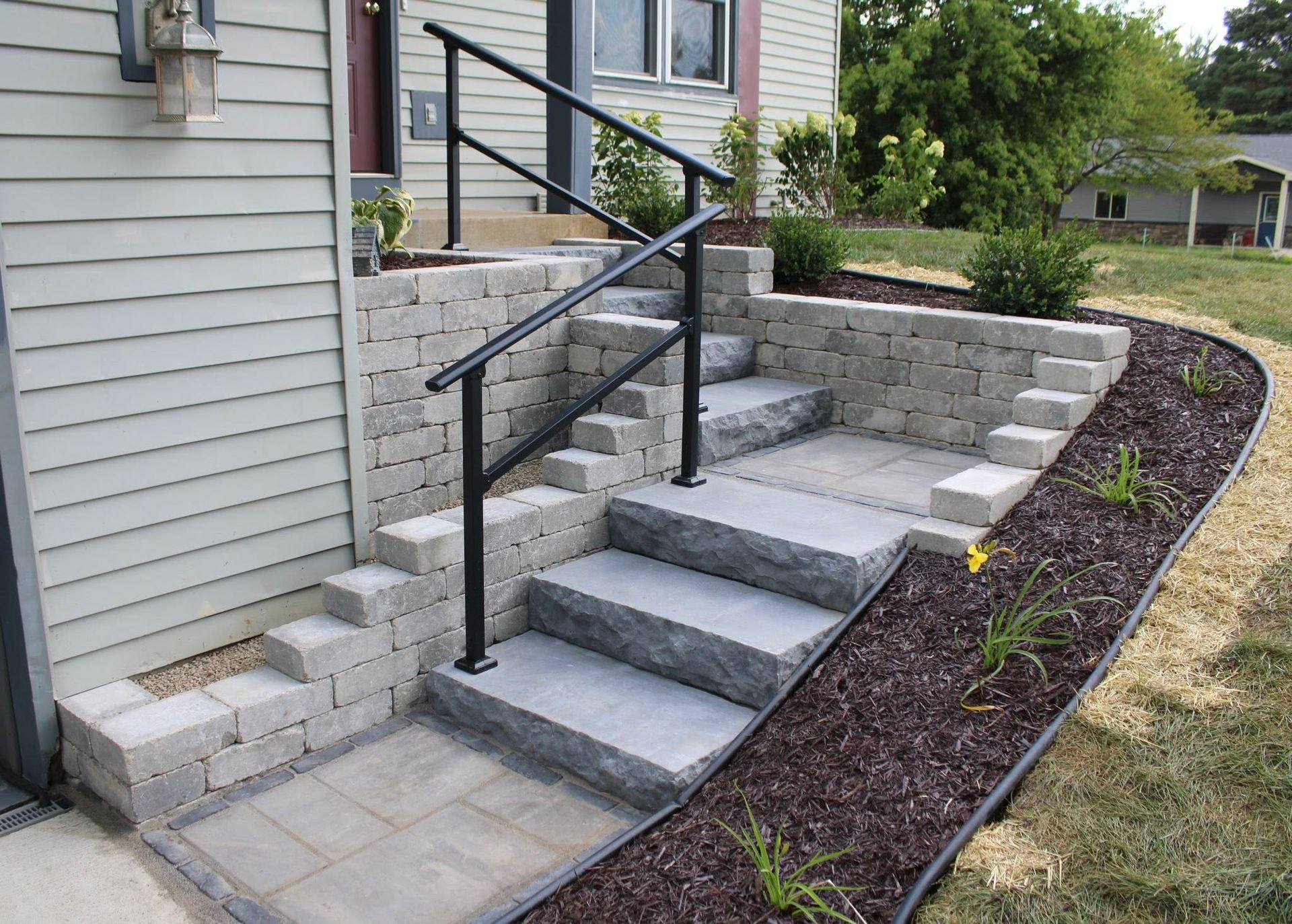
The result is more than a replacement wall. It’s a clean, professionally installed feature that can stabilize the slope, improve drainage, reclaim usable space and enhance the overall appearance of your landscape.
Contact Elite Landscapes to schedule an on-site consultation and explore options for replacing your failing retaining wall.
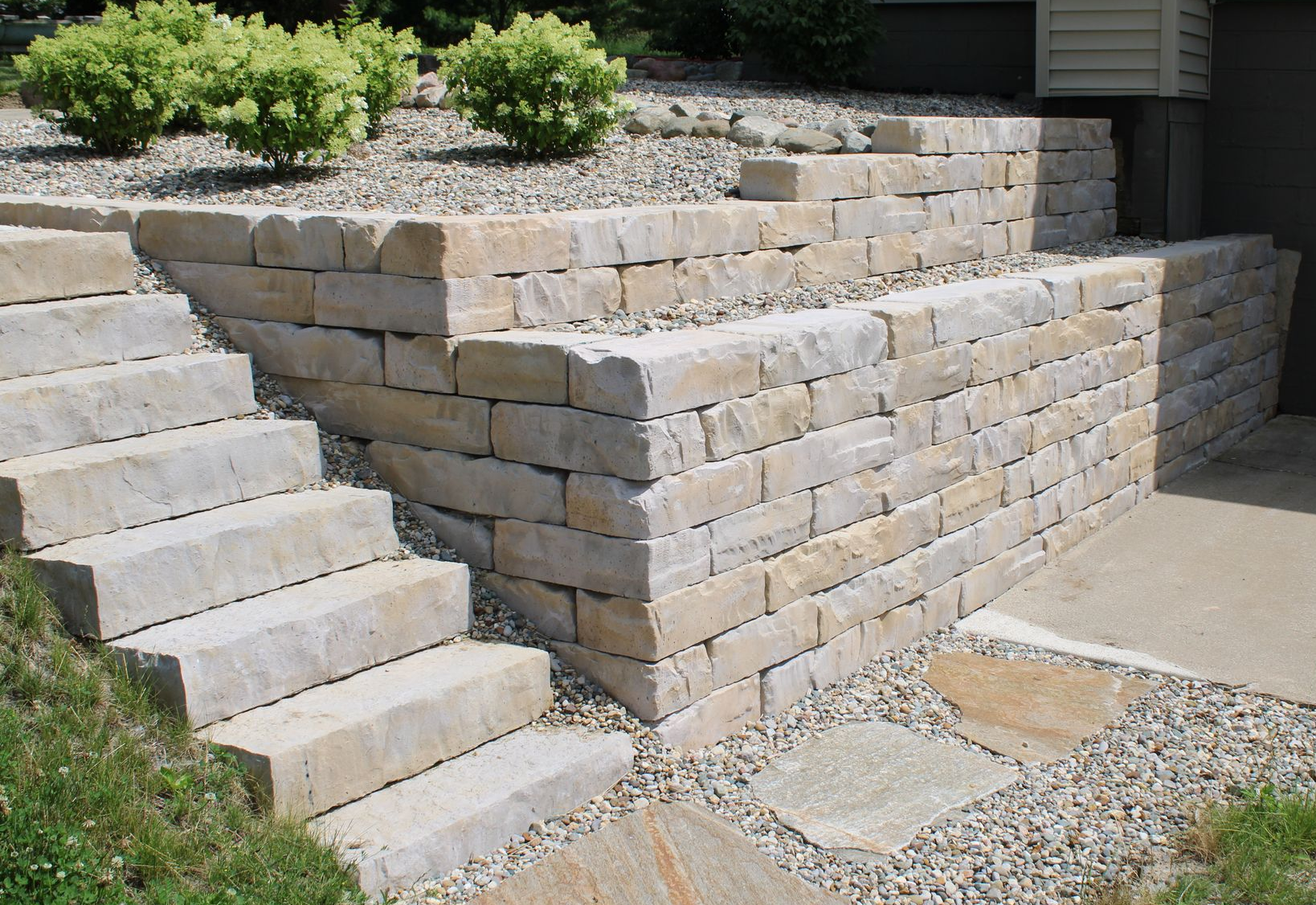
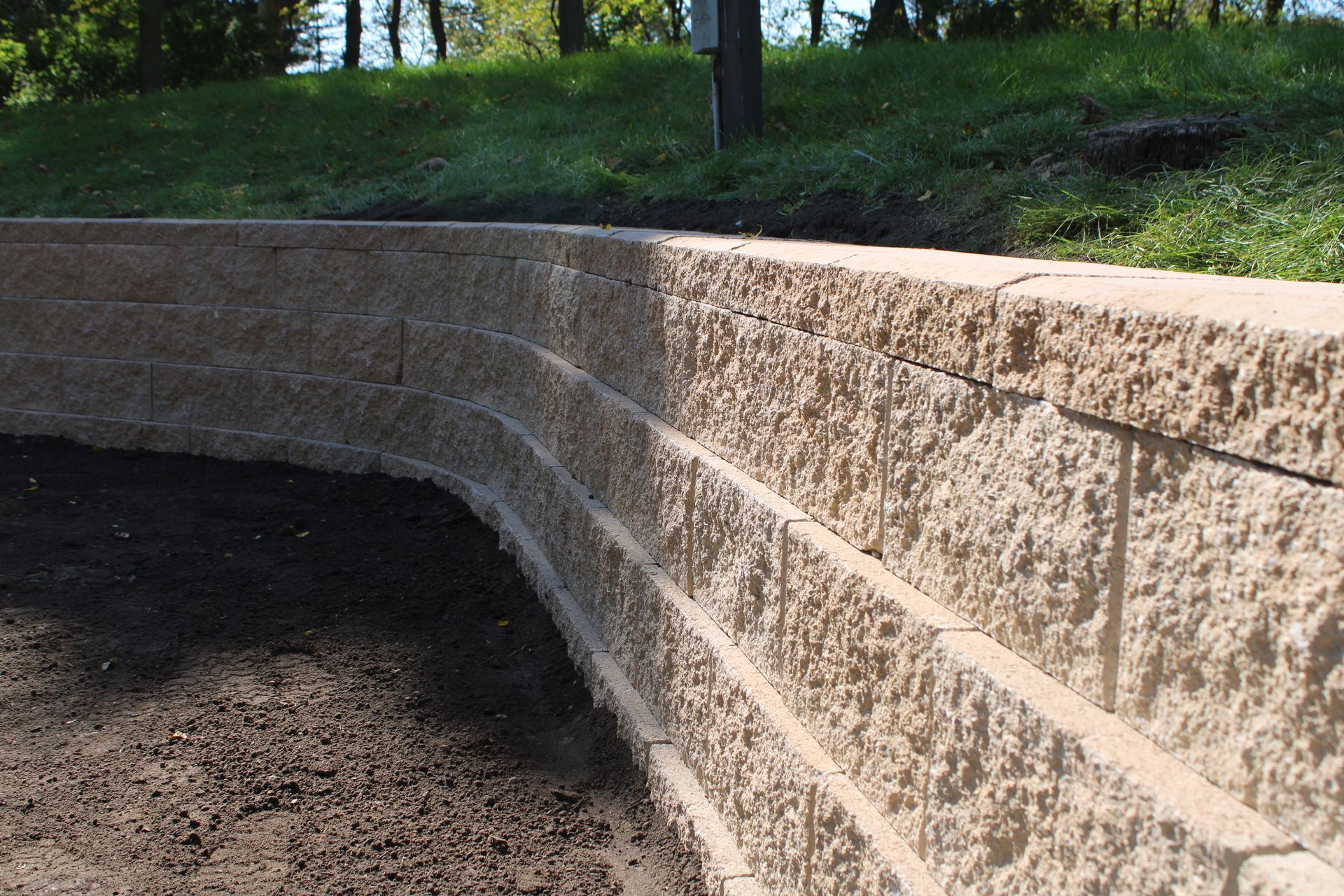
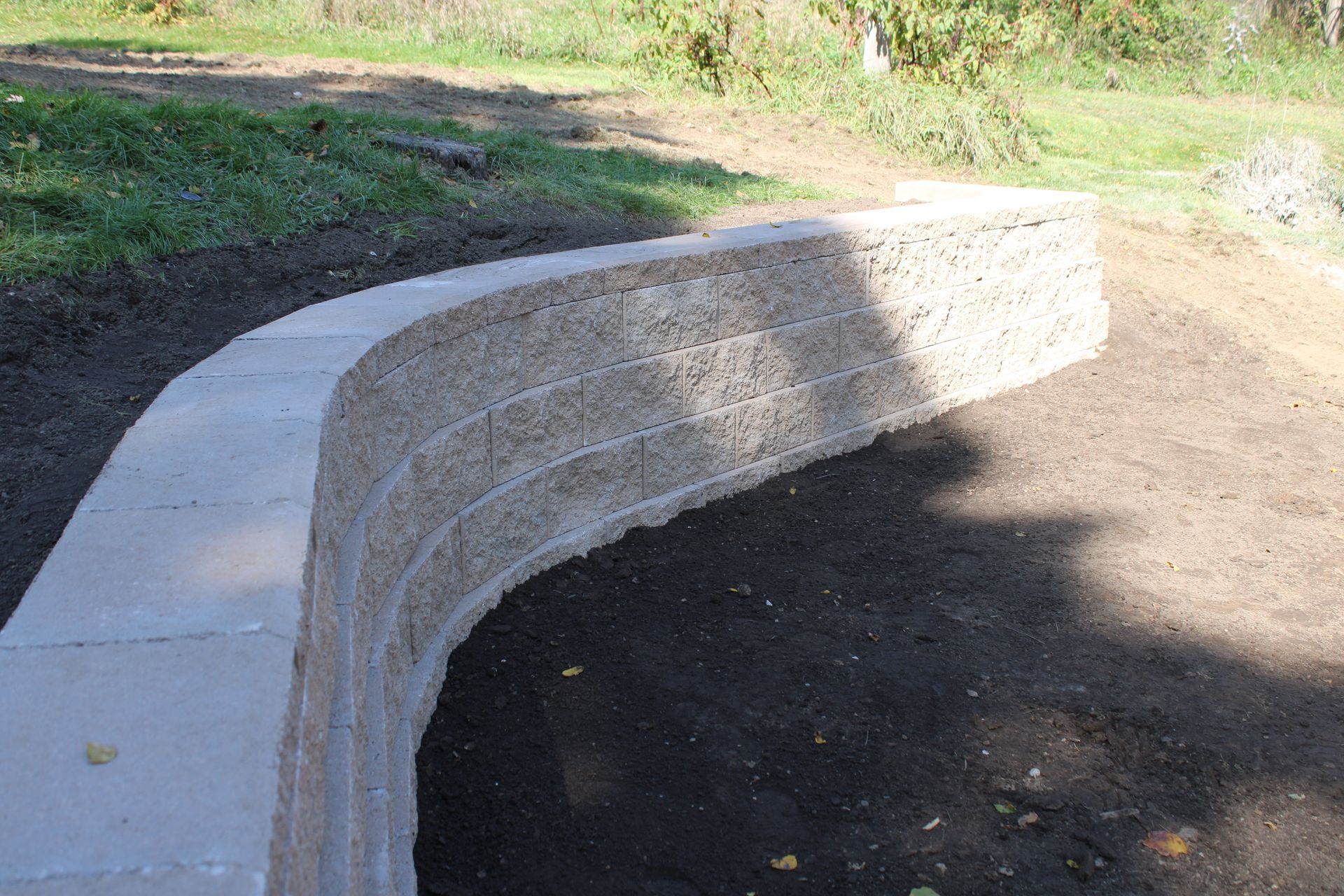
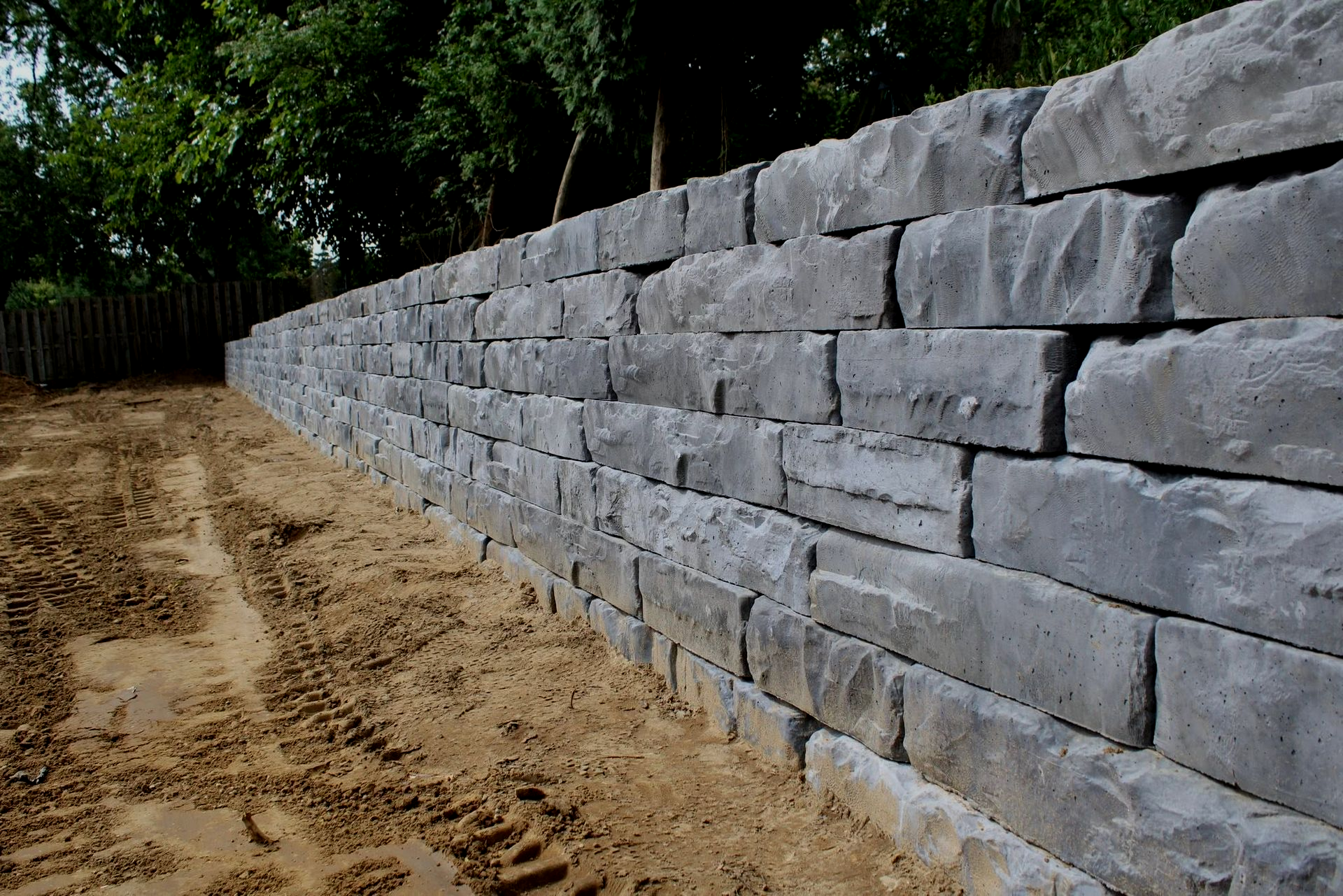
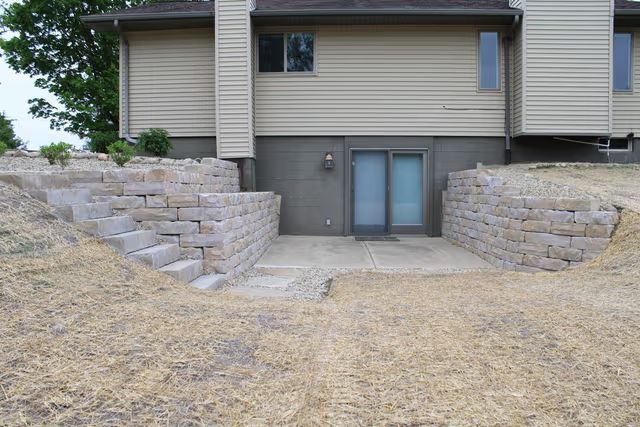
How Engineered Walls Address Soil Pressure
A retaining wall should do more than hold back soil—it should improve the appearance, drainage and usability of your property. Elite Landscapes builds and replaces retaining walls throughout Greater Lansing using proper preparation and proven construction methods.
Most failing walls have problems beneath or behind the visible surface. Poor foundations, trapped water and inadequate reinforcement can cause walls to lean, separate or collapse. That’s why our team evaluates the entire area before construction begins, including the slope, soil conditions, drainage patterns and surrounding structures.
Each wall begins with proper excavation and a compacted base. Clean drainage stone and perforated pipe are installed behind the wall to direct water away and reduce pressure. When required by the wall’s height and site conditions, geogrid reinforcement extends into the slope to help stabilize the soil and strengthen the entire system.
Once completed, your new retaining wall can provide:
* A clean, attractive replacement for a failing wall
* Improved slope stability and erosion control
* Better drainage around the surrounding area
* Additional usable yard, planting or parking space
* A finished appearance that complements your home
Wall height, location and site conditions determine the exact installation requirements. Contact Elite Landscapes to schedule an on-site consultation and explore the best retaining-wall options for your property.
Answers to Frequent Service Questions
Retaining wall projects raise specific concerns about engineering requirements and what separates a functional wall from one that fails prematurely in Michigan soil conditions.
What is geogrid and why does it matter for retaining walls?
Geogrid is a synthetic mesh material installed between wall courses that extends back into the retained soil, creating mechanical interlock that increases the effective mass of the wall and resists the forward pressure from clay soils common in Eaton Rapids-area properties.
How does drainage core construction prevent wall failure?
Without a drainage path, water accumulates behind the wall and exerts hydrostatic pressure that increases exponentially when it freezes, and the drainage core—built with clean stone and perforated pipe—removes that water before pressure builds to failure levels.
When does a wall require professional engineering versus standard installation?
Walls over four feet in height, walls supporting structures or roadways, and walls in poor soil conditions typically require stamped engineering plans, though even shorter walls benefit from proper batter angle and drainage design.
What is batter angle and how does it affect wall stability?
Batter is the backward lean built into the wall face that uses gravity to counteract forward soil pressure, and the correct angle depends on wall height and retained soil type.
How long does a properly built retaining wall last in mid-Michigan?
Walls constructed with appropriate drainage cores, geogrid reinforcement, and correct batter for local soil conditions perform structurally for decades, while walls that skip these elements often show distress within five years.
Elite Landscapes approaches retaining walls as engineering projects rather than decorative features, with crews experienced in Grand River-area soil profiles and slope conditions. Schedule a site evaluation to determine the drainage and reinforcement strategy your property requires.