
Ground Work for Foundation and Utility Projects
Excavation in Eaton Rapids for properties requiring soil removal, grading preparation, or subsurface access for construction
Construction projects stall when ground cannot be moved efficiently or existing grade prevents proper drainage and foundation work. Excavation removes soil to specified depths and grades, creates trenches for utility installation, and reshapes terrain to meet engineering requirements for buildings, hardscapes, or drainage systems. Elite Landscapes LLC operates excavation equipment in Eaton Rapids, moving earth to establish correct elevations and expose subsurface areas where foundation work, utility lines, or drainage infrastructure will be installed. Your property transitions from existing grade to prepared excavation that matches project plans and allows construction to proceed on schedule. Soil gets removed from areas requiring depth and relocated to areas needing fill, reducing material waste and hauling costs when site conditions allow redistribution.
The work involves operating machinery to dig, load, and move soil according to project specifications, creating level building pads, trenches for pipes and cables, or drainage channels that direct water flow. Michigan clay soils require appropriate equipment and techniques since heavy clay excavates differently than sandy or loamy soil and affects how excavation walls hold their shape during the work.
Request a site assessment to review your excavation requirements and project access.
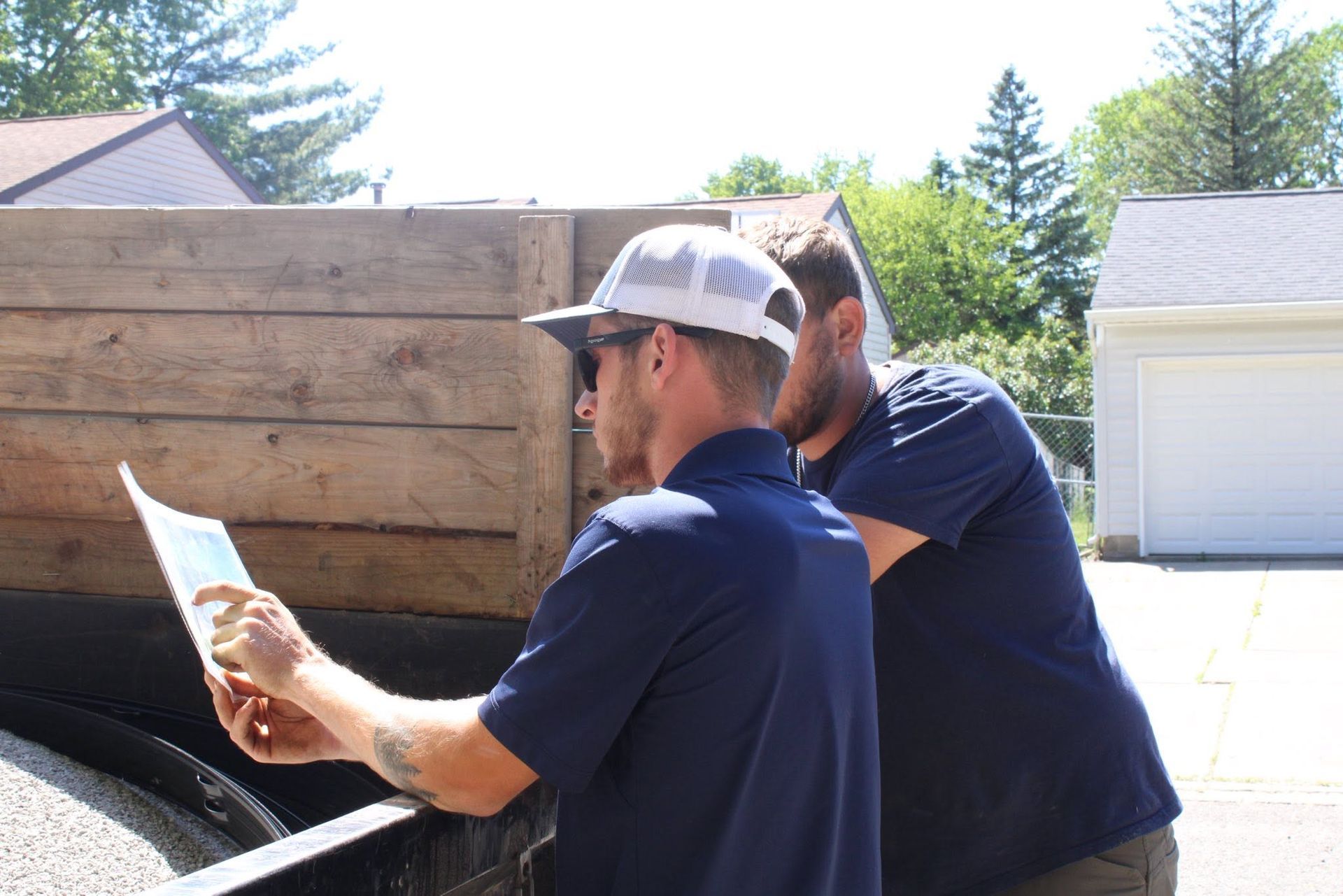
What Proper Excavation Requires
Excavation starts with utility location to avoid damaging buried lines, followed by systematic soil removal to depths and dimensions specified in project plans. Slopes and angles get established to prevent wall collapse in deeper excavations, with clay soil requiring different approach angles than granular soils. Excavated material either stockpiles on-site for later use as fill or gets hauled away depending on project needs and available space.
Once excavation completes, you have prepared ground at the correct depth and grade for foundations, utility installation, or drainage construction. The excavated area shows stable walls or slopes that hold their shape during subsequent construction work, proper drainage away from excavation areas, and elevations that match engineering requirements. Foundation footings sit at specified depth below frost line, utility trenches follow required slope for drainage, and building pads provide level surfaces for construction without needing additional grading.
Excavation includes soil removal and grade preparation but does not cover foundation construction, utility installation by licensed trades, or engineered retaining structures that require separate permits and specialization. Site access, soil conditions, and project scope determine equipment needs and timeline..
Common Excavation Questions From Property Owners
Property owners in Eaton Rapids preparing for construction or landscape projects frequently ask about excavation depth, soil disposal, and how weather affects the work.
How deep can excavation go safely?
Excavation depth depends on soil type and whether walls need shoring, with shallow work under four feet typically not requiring support systems, while deeper excavations need engineering and protective measures to prevent collapse.
What happens to the excavated soil?
Soil either remains on-site for use as fill material in other areas or gets hauled off-site when it exceeds what the project can use, with clay soil from Eaton Rapids properties often suitable for regrading low areas or building up elevations elsewhere on the same property.
When should excavation happen relative to other construction?
Excavation occurs early in construction sequence after site layout and utility marking but before foundation work, allowing exposed ground to be ready when concrete crews or utility installers arrive.
How does rain affect excavation work?
Heavy rain halts excavation because wet clay becomes unworkable and equipment creates ruts rather than clean cuts, with excavated areas requiring pumping or drainage if water accumulates before construction continues.
What site access does excavation equipment need?
Excavators and loaders require clear paths wide enough for the machines plus room to maneuver, with tight access sometimes necessitating smaller equipment that takes longer but fits through narrow openings or gates.
Elite Landscapes LLC provides excavation services for construction preparation, utility installation, and landscape grading projects throughout Eaton Rapids. Schedule an evaluation to discuss your project scope, timeline, and site-specific excavation requirements.