
Professional Landscaping
Customized Landscaping Solutions to Elevate Your Outdoor Experience
A thoughtfully designed landscape can completely change the way your home looks and feels. Elite Landscapes creates custom planting plans that add color, texture and year-round interest while complementing your home and fitting the way you want to maintain your property.
Every landscape is designed around the actual conditions of your yard. We consider sunlight, shade, soil, drainage, available space and mature plant size before recommending anything. This allows us to select plants that not only look beautiful on installation day but also have the right conditions to grow and thrive.
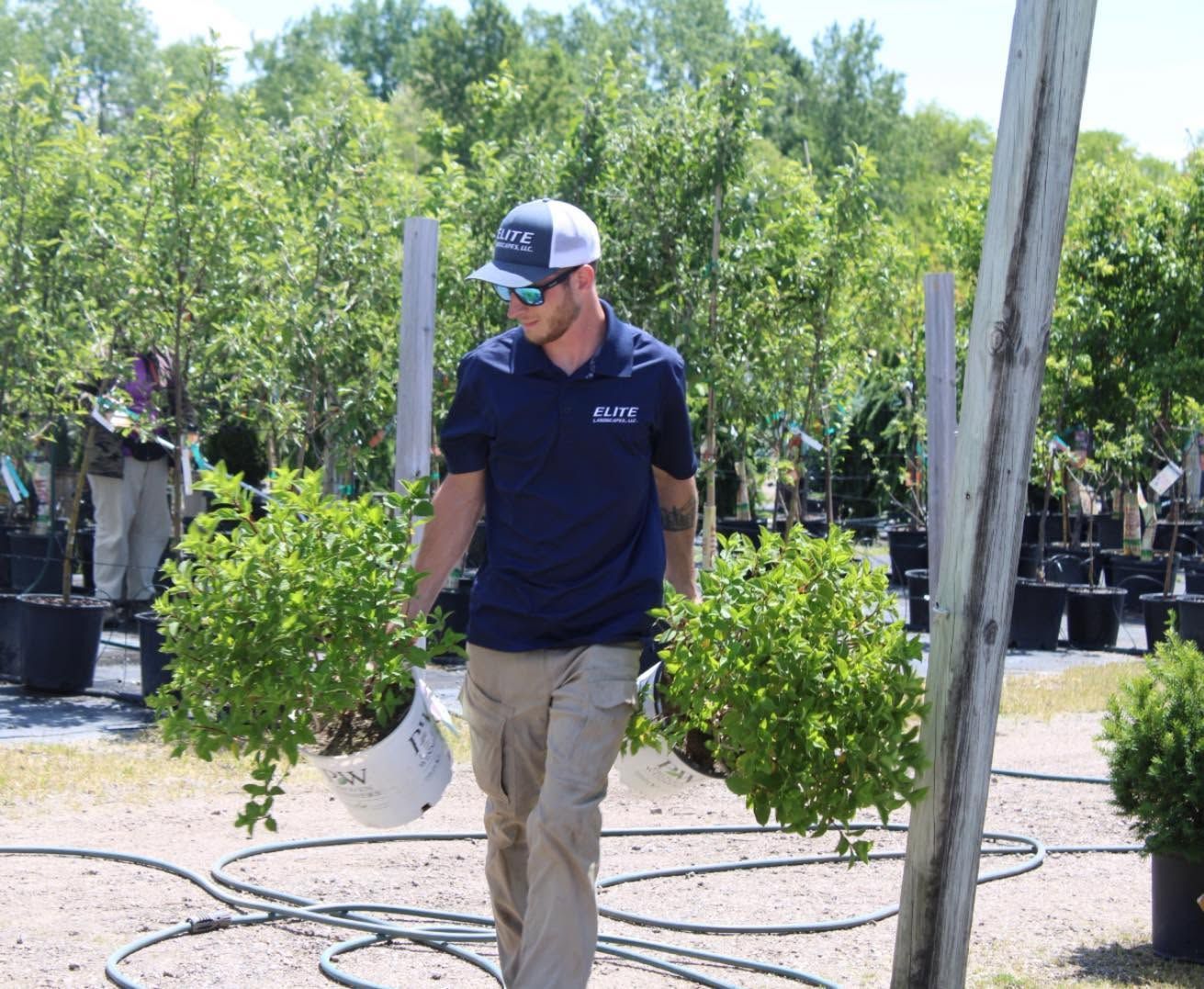
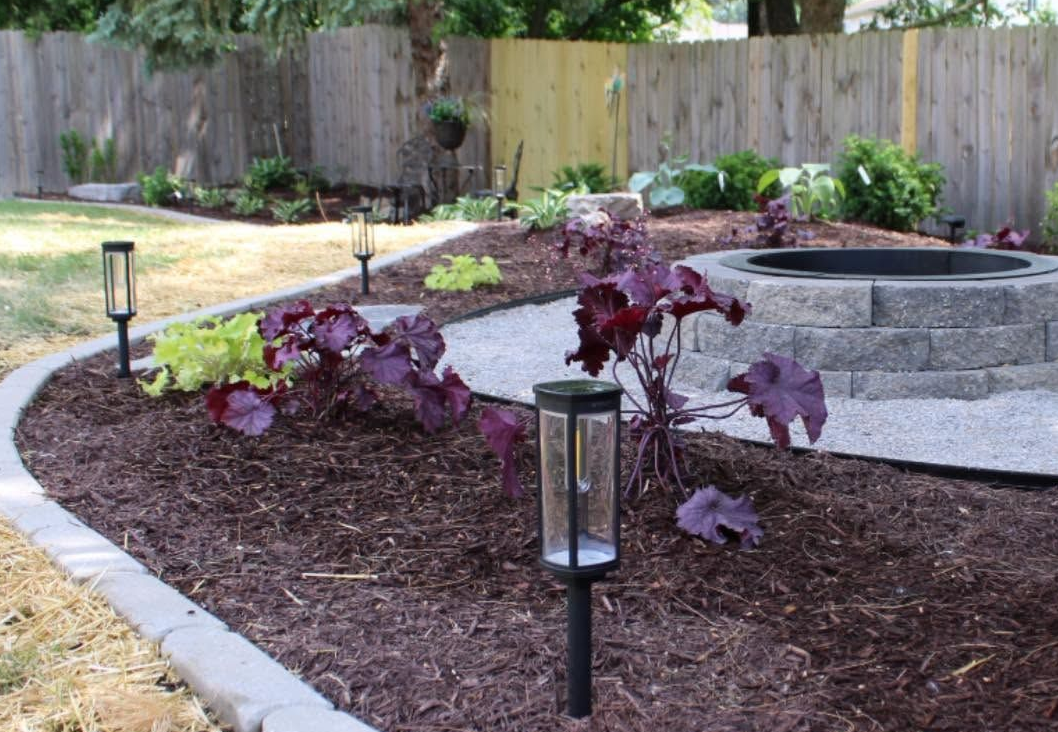
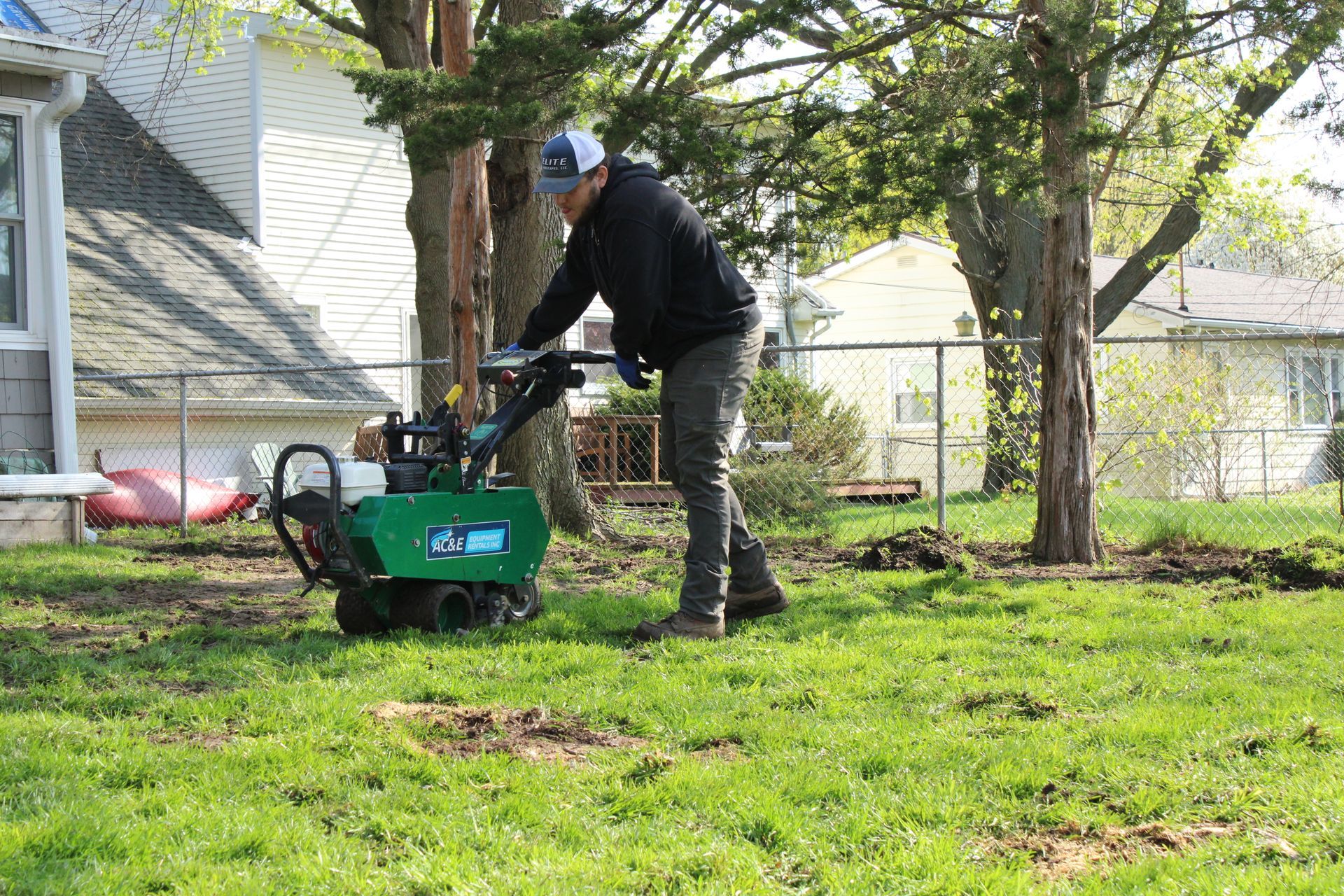
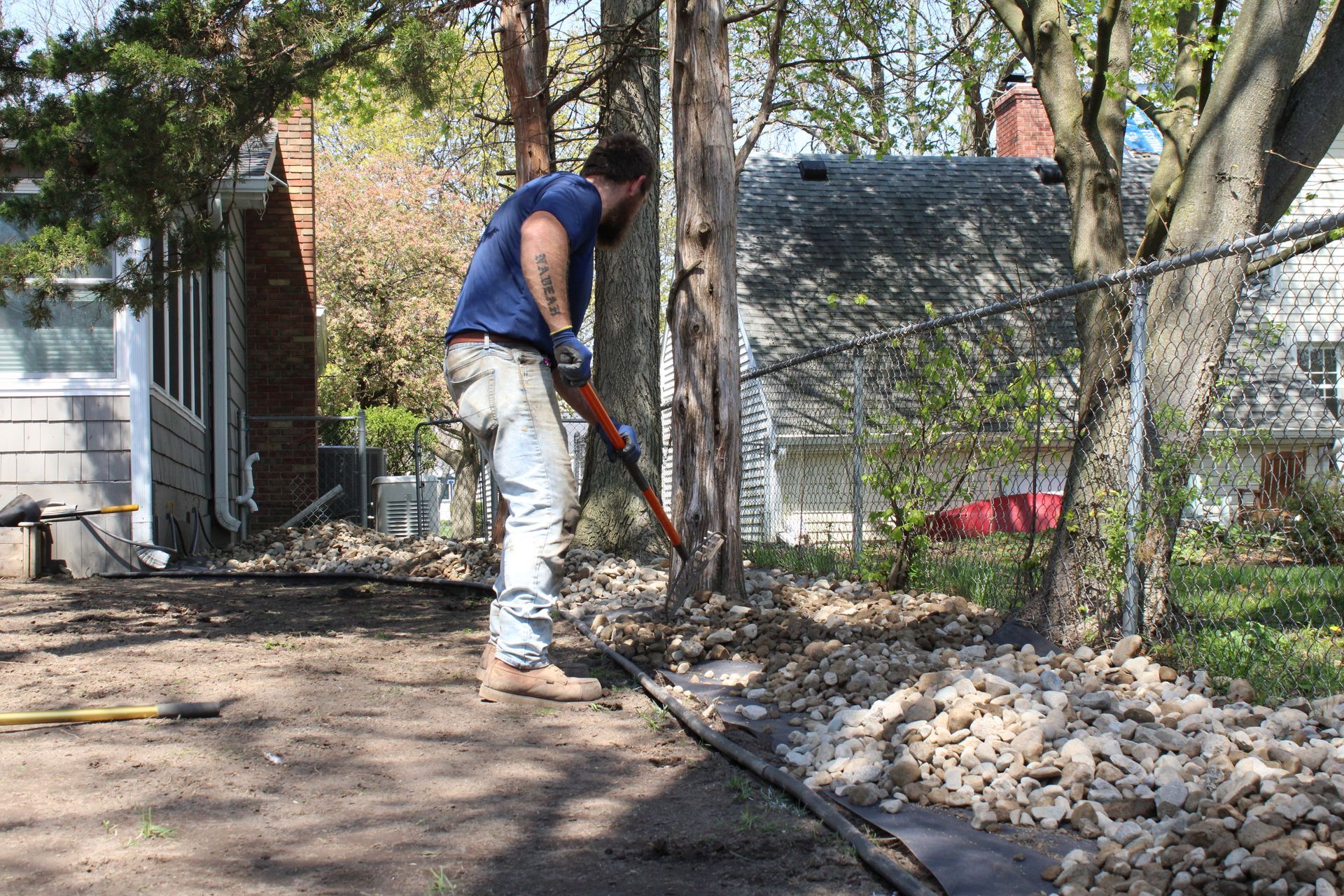
From complete front-yard transformations to new foundation plantings and refreshed landscape beds, our team handles the entire project—including removal, bed preparation, soil improvements, plant installation, edging, mulch or decorative stone and final cleanup.
The result is a balanced, professionally installed landscape that improves curb appeal and becomes more beautiful as it matures.
Contact Elite Landscapes to schedule a consultation and begin planning a landscape designed specifically for your home.

Why Site Conditions Drive Plant Selection
The right plants in the right places create a landscape that looks beautiful and becomes easier to maintain as it matures. Elite Landscapes designs each planting area around your property’s sunlight, soil, drainage and available space so every plant has the best opportunity to thrive.
We select shade-tolerant plants beneath mature trees, moisture-tolerant varieties for low areas and durable, drought-resistant plants for hotter, sunnier locations. Instead of forcing the same plant selection into every yard, we create a balanced plan specifically for your property and desired appearance.
Proper installation is just as important as plant selection. Our team prepares the planting areas, improves the soil where needed, installs each plant at the correct depth and finishes the beds with clean edging and fresh mulch or decorative stone. Plants are also spaced according to their mature size, helping prevent overcrowding and unnecessary maintenance later.
The result is a professionally designed landscape with healthy growth, seasonal color and a polished appearance that complements your home for years to come.
Questions Before Starting Your Project
Property owners across Eaton Rapids and the Lansing area often need guidance on how site-specific conditions should influence plant choices and installation methods.
What makes plant selection different for clay soil versus sandy soil?
Clay holds moisture longer and drains slowly, creating wet conditions in spring that rot plants adapted to sandy, fast-draining soil, so plant selection must account for longer moisture exposure and slower soil warming that delays root activity in mid-Michigan yards.
How does mature tree shade affect what can be planted underneath?
Trees create dry shade where surface roots pull moisture from the soil faster than rainfall replaces it and canopy blocks direct sun, requiring shade-tolerant plants that also handle drought stress once the tree leafs out fully.
When should landscaping installation happen in Michigan's short growing season?
Spring installation after soil workability returns and fall installation before first hard freeze both allow root establishment before temperature extremes, with fall often preferred because cooler air reduces transplant stress while soil remains warm enough for root growth.
Why do some plants fail in Eaton Rapids even when they're sold at local nurseries?
Nurseries stock plants that survive in controlled growing conditions with supplemental irrigation and soil amendments, but those same plants may not tolerate the clay soil, shade patterns, or moisture extremes present on your specific property without significant ongoing maintenance.
How much soil amendment is actually needed for clay soil planting beds?
Amendment depth and type depend on the plants being installed—shallow-rooted perennials need several inches of compost mixed into the top layer, while deeper-rooted shrubs benefit from broader amendment zones that extend beyond the initial planting hole to encourage lateral root spread.
Elite Landscapes designs and installs landscapes based on what your yard's soil, shade, and drainage conditions will actually support long-term. Arrange a consultation to review your property's site variables before plant selection begins.